Adaptive Responses to Extreme Drought
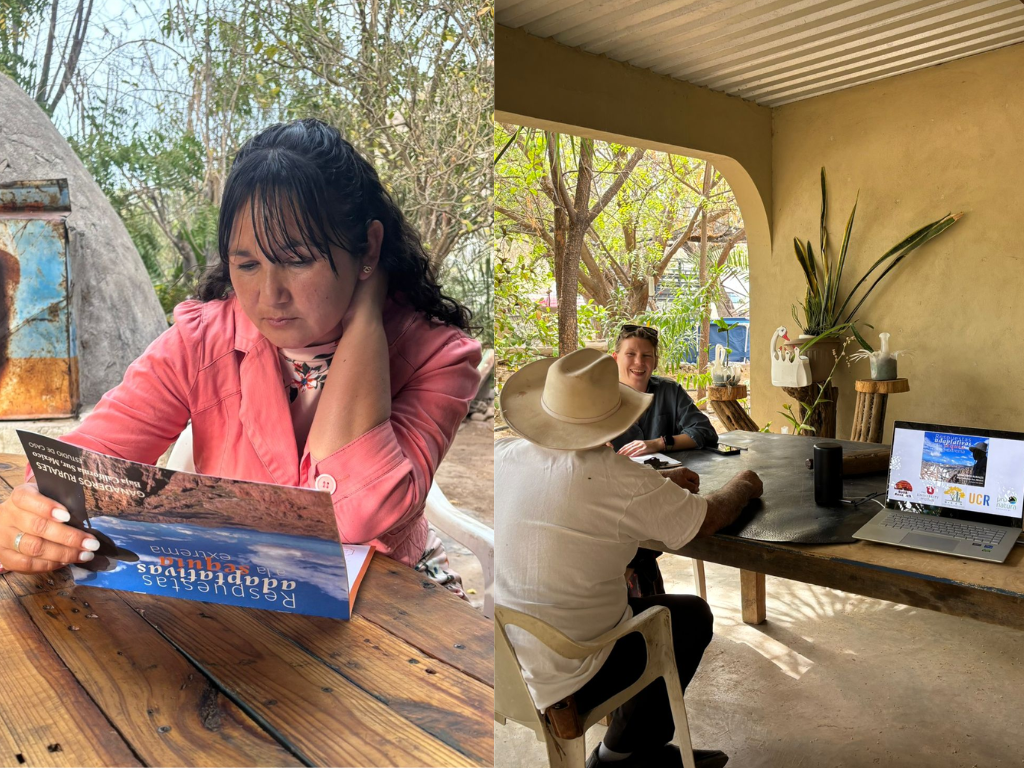
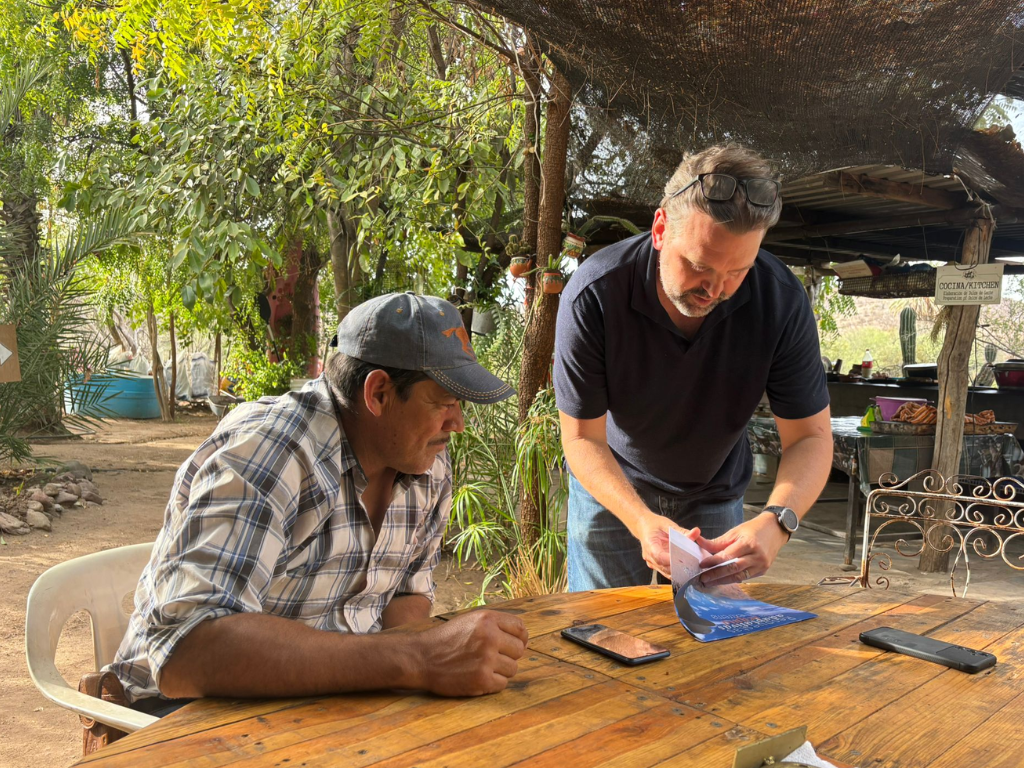
The case study developed in Paso de Santa Cruz was presented, sharing the experience of one of the communities that faced one of the most severe droughts in the recent history of Baja California Sur. This extreme event affected both ecosystems and the ranching communities that depend on them, and helped identify key recommendations to strengthen resilience, including promoting economic alternatives, improving agricultural infrastructure, and advancing effective government programs.
Extreme drought in Baja California Sur highlights the urgent need to strengthen community resilience in the face of climate change.
The article “Adaptive Responses to Extreme Drought: A Case Study of Ranchers in Baja California Sur, Mexico” analyzes the strategies producers implement to cope with prolonged drought periods. These include rangeland management, diversification of productive activities, reduction or rotation of livestock herds, and the adoption of low water–consumption technologies.

The study demonstrates how social, economic, and environmental factors directly influence adaptive capacity and underscores the importance of strengthening community resilience to climate change. It also shows that, while traditional practices remain valuable, they are not always sufficient in the face of increasingly severe and frequent droughts, making improved access to resources, institutional support, and climate information essential.