
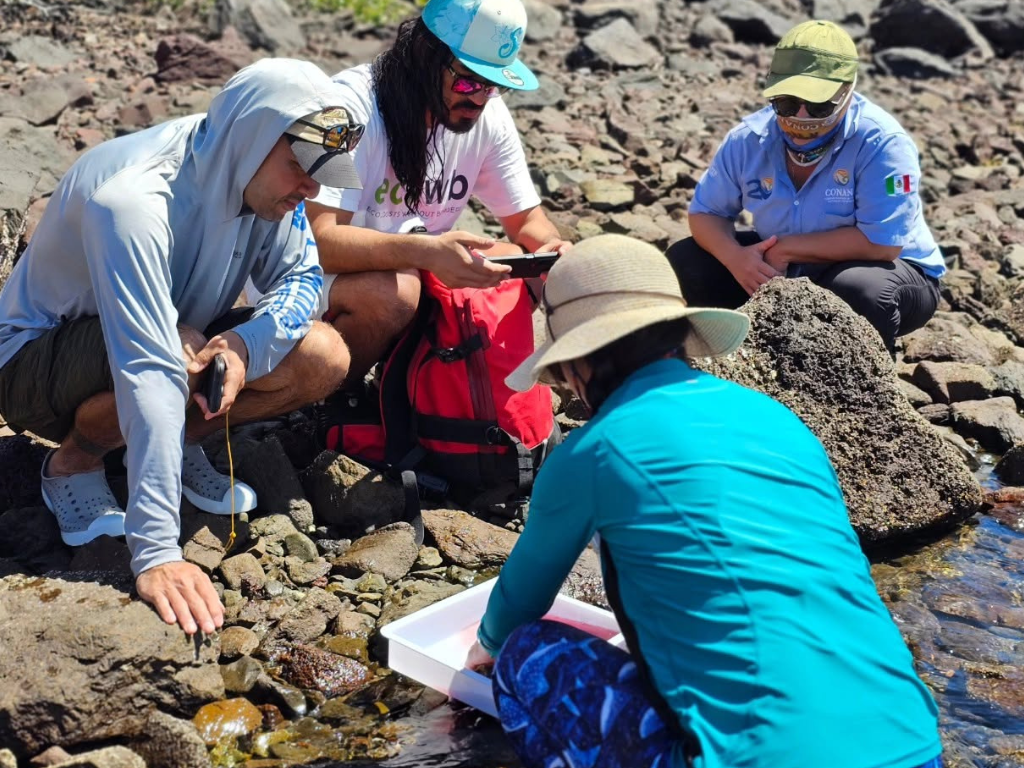
More than 85 years after the historic 1940 expedition of John Steinbeck and Ed Ricketts, the Sea of Cortez is once again the setting for a scientific journey seeking to answer a fundamental question: how have its ecosystems changed since then?
Following in the footsteps of that expedition, we joined Green Flash Conservation Science Expedition as local collaborators in a new international expedition. The team is retracing parts of their original route and studying coastal biodiversity at some of the same sites that Steinbeck and Ricketts explored and described as places “teeming with life.”
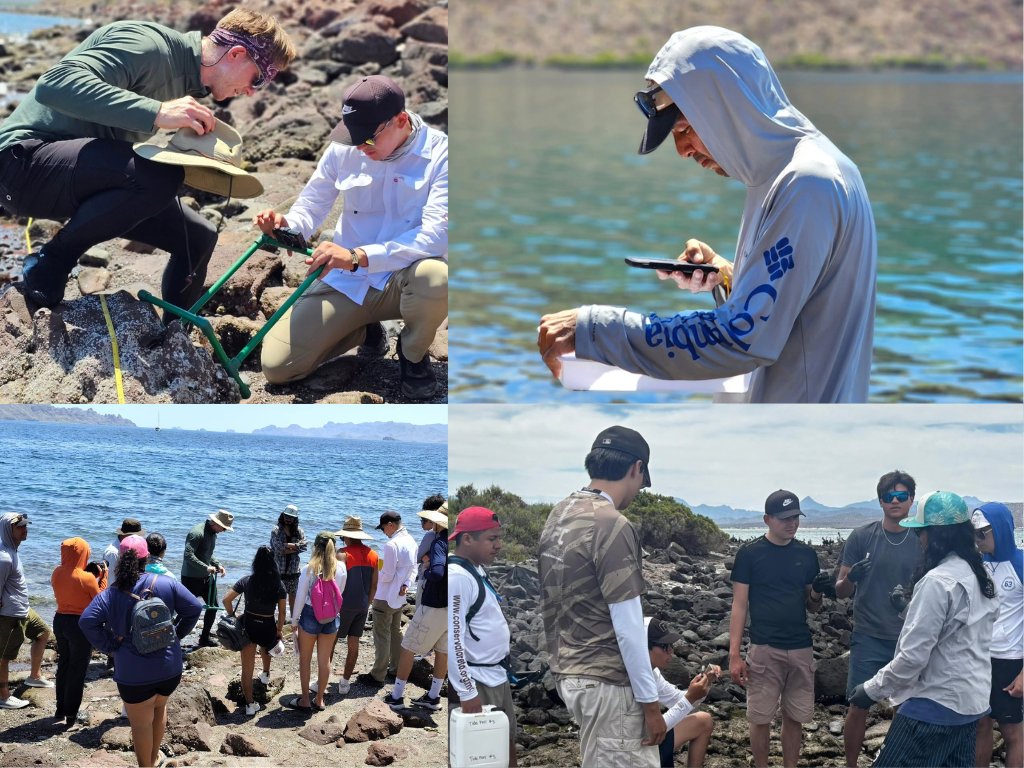
Through underwater imagery, intertidal explorations, and field monitoring techniques, the expedition is documenting changes in variables such as temperature, salinity, and species composition, generating information that can help us understand how the ecosystems of the Sea of Cortez have changed over time.
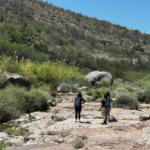
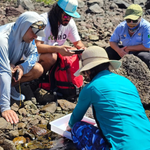
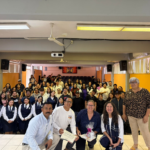
In Loreto, this experience also became an opportunity to bring together science, education, and community participation. From Conserva Loreto, we participated alongside second-semester Alternative Tourism students from UABCS Loreto, connecting them with international scientists and strengthening their field skills through activities such as eDNA sampling, transects, and biodiversity monitoring.
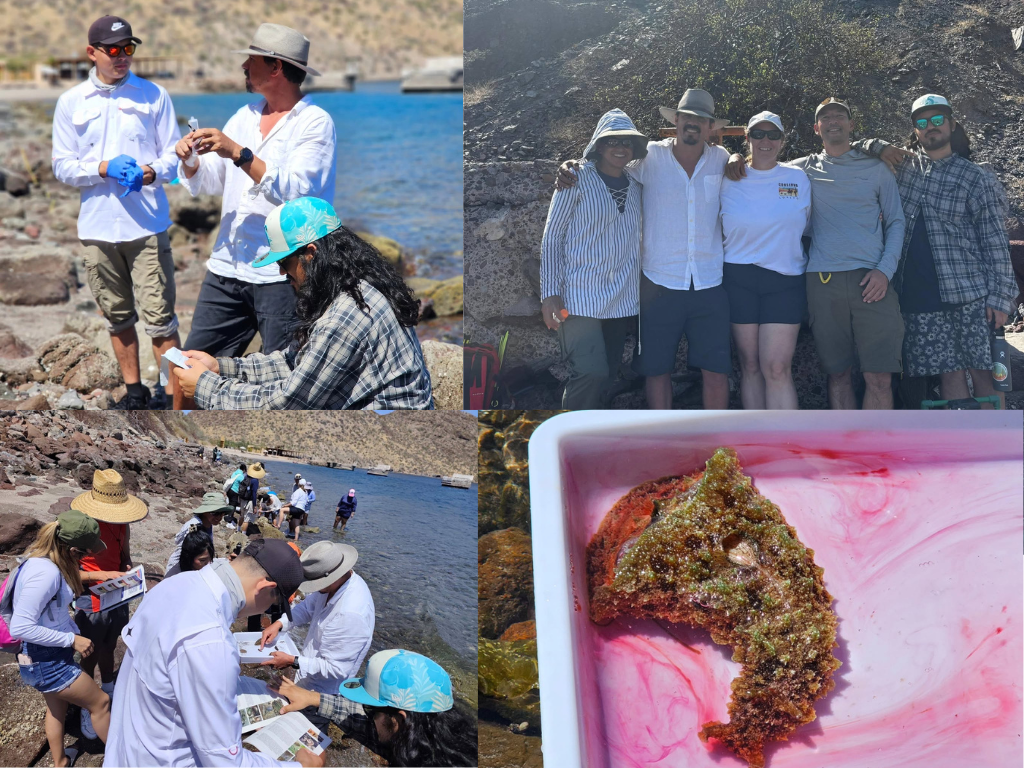
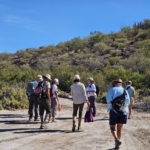
Fieldwork took place in the intertidal zones of Puerto Escondido and Coronados Island, where students, scientists, and local collaborators explored and documented the extraordinary diversity of species that inhabit these ecosystems. We were also joined by community partners from Ligüí, strengthening knowledge exchange and collaboration at the local level.
For Conserva Loreto, these encounters are an opportunity to bring science closer to younger generations, strengthen local capacities, and promote active participation in understanding and conserving our seas.
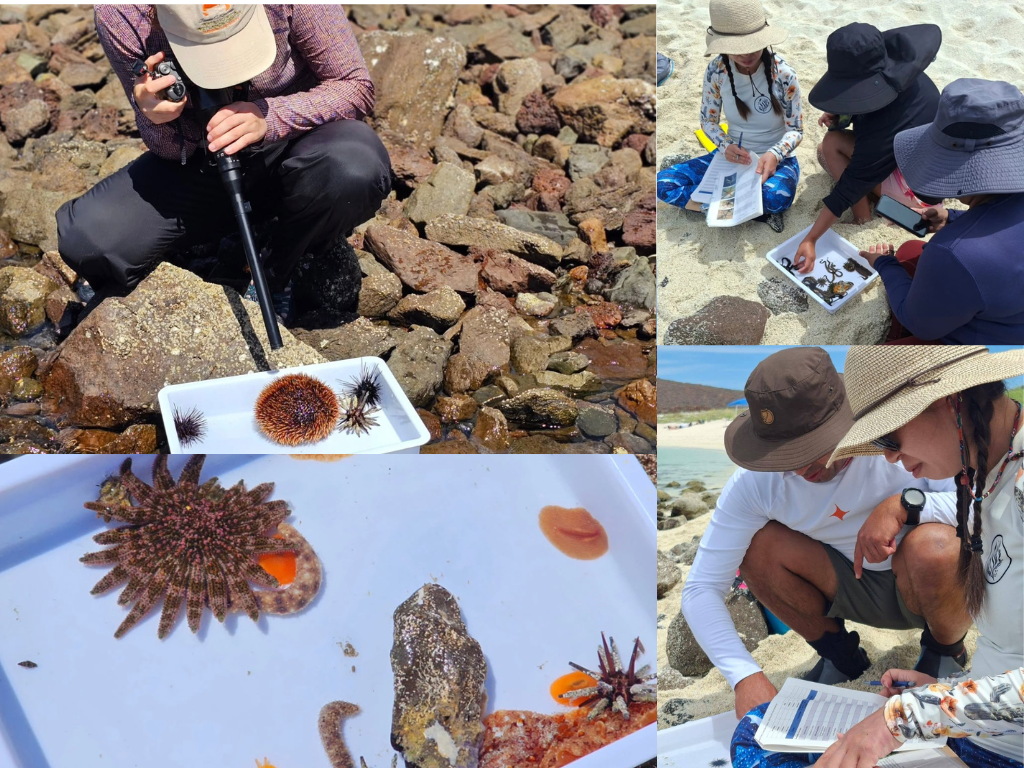
Returning to these places decades later allows us to look to the past to better understand the present and reflect on the future of our seas. We continue building bridges between science, education, and community, because understanding our ecosystems is also the first step toward protecting them.