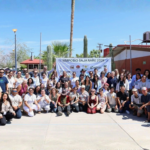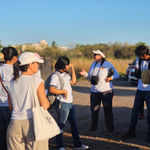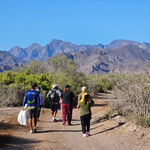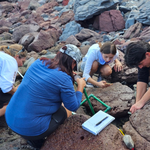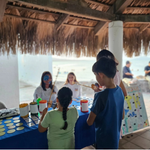

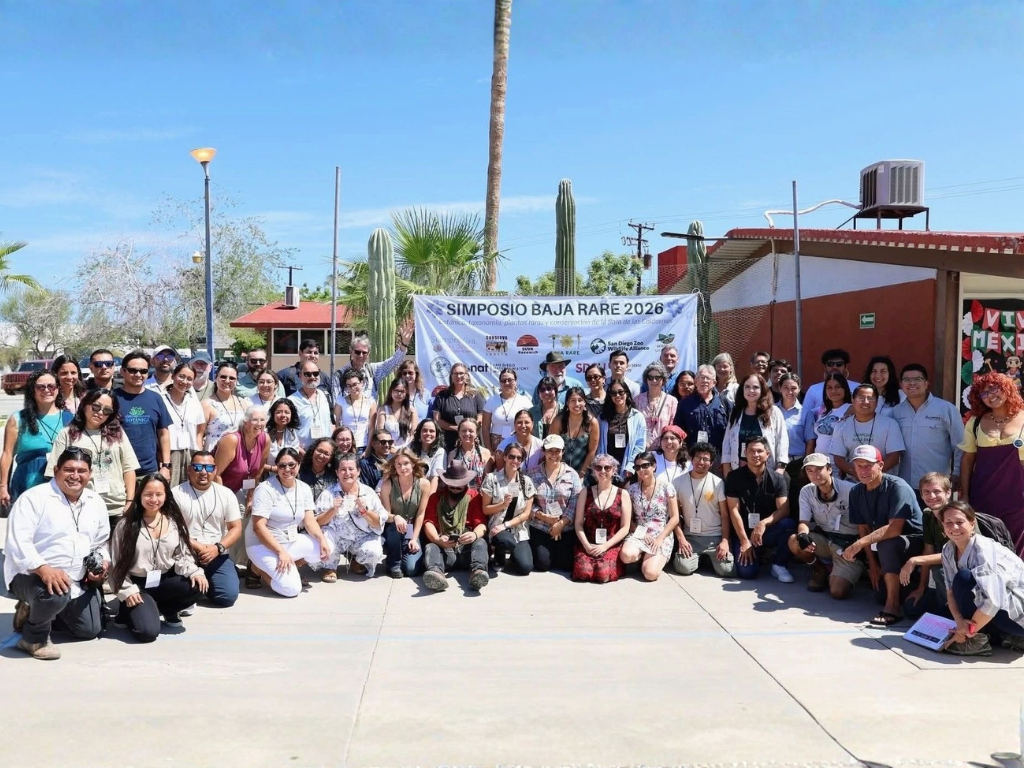
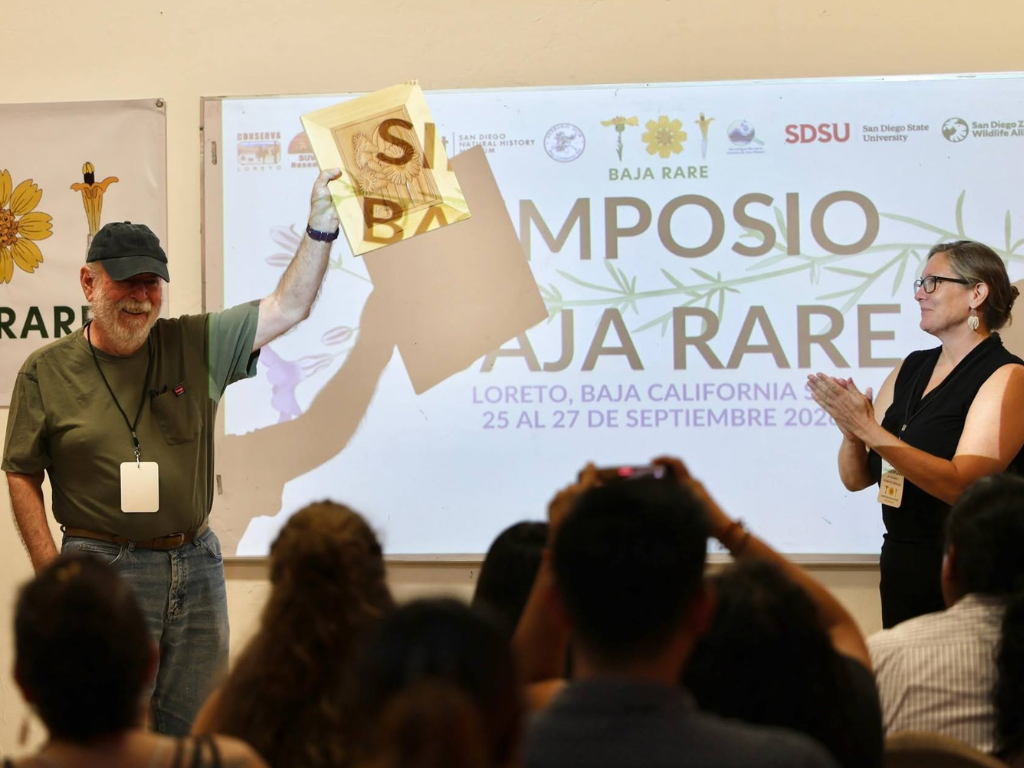
From September 25 to 27, 2026, Loreto, Baja California Sur, hosted the Baja Rare 2026 Symposium, a gathering dedicated to botany, taxonomy, rare plants, and the conservation of the flora of the Californias, bringing together scientific knowledge, research, and perspectives on the region’s plant biodiversity.
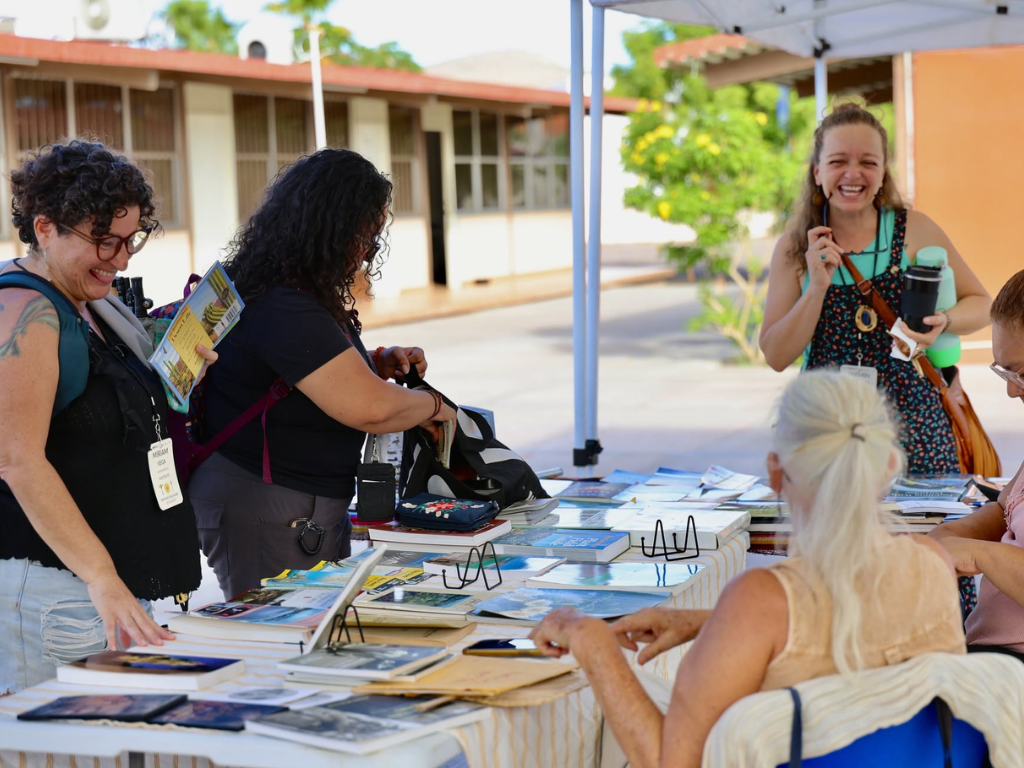

The symposium provided a space for researchers, students, naturalists, institutions, organizations, and individuals interested in the study and protection of plant species to exchange knowledge, highlighting the importance of scientific research and collaboration in understanding and conserving our natural heritage.
Scientific Research and Plant Biodiversity in the Californias
Through keynote presentations, research talks, and special sessions, the Baja Rare 2026 Symposium explored different aspects of botany, ecology, taxonomy, and plant conservation, including studies on plant diversity, species distribution, evolutionary processes, and conservation challenges.
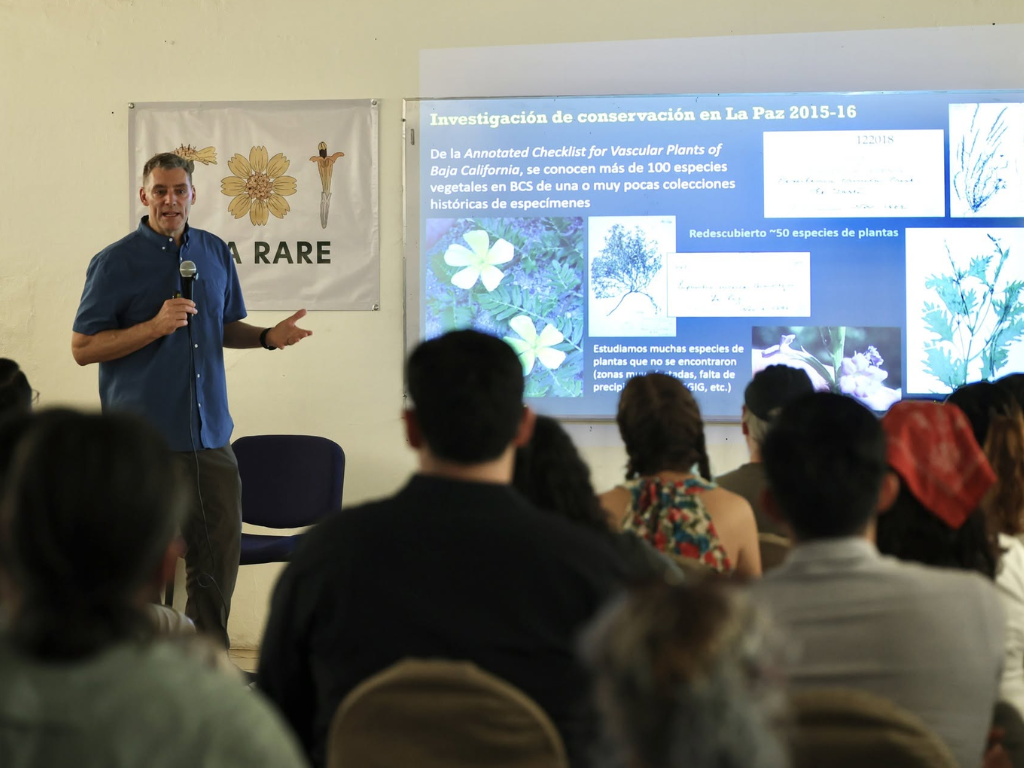

Among the topics presented was the evolutionary history and diversity of the genera Yucca and Hesperoyucca in the Baja California Peninsula, along with research examining floristic richness and the conservation status of plant species in different regions.
The gathering also provided opportunities to share knowledge about rare plants found on both sides of the Mexico–United States border, emphasizing the importance of binational collaboration in their study and conservation.

Baja Rare: Binational Collaboration for Rare Plant Conservation
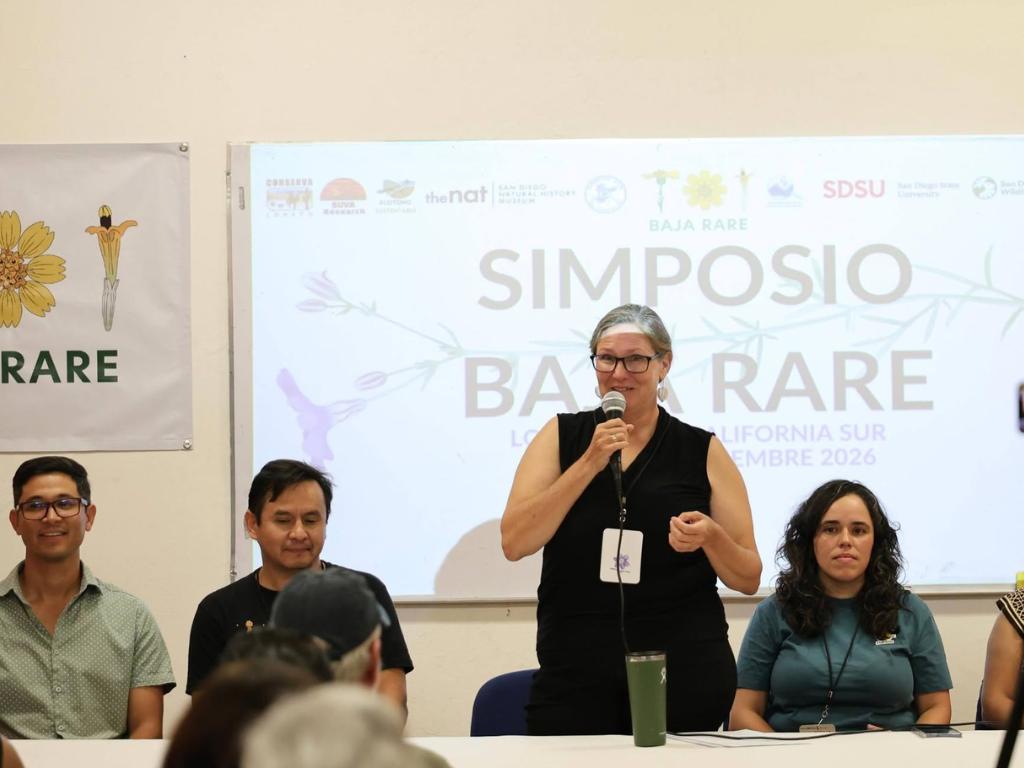
One of the symposium’s central topics was the Baja Rare project, an initiative that has promoted binational collaboration between California and Baja California since 2018 to study and conserve rare plant species occurring on both sides of the border.
Presentations highlighted progress involving priority species, including rediscoveries, newly documented populations, threats, and findings resulting from field exploration and collaborative research.
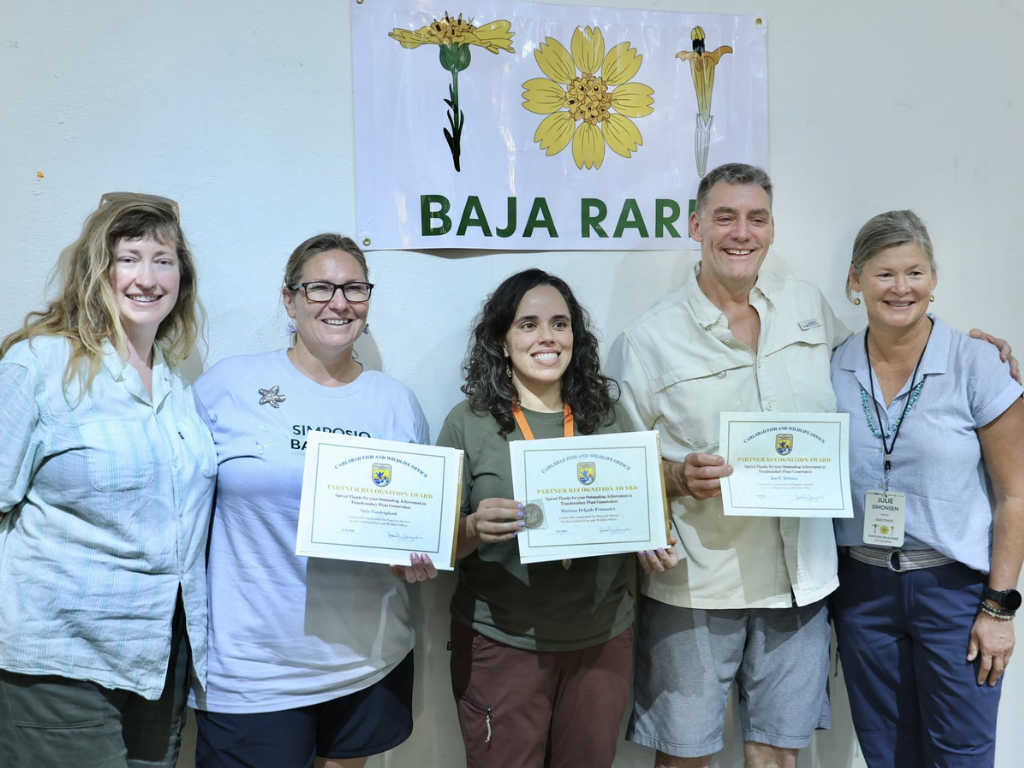
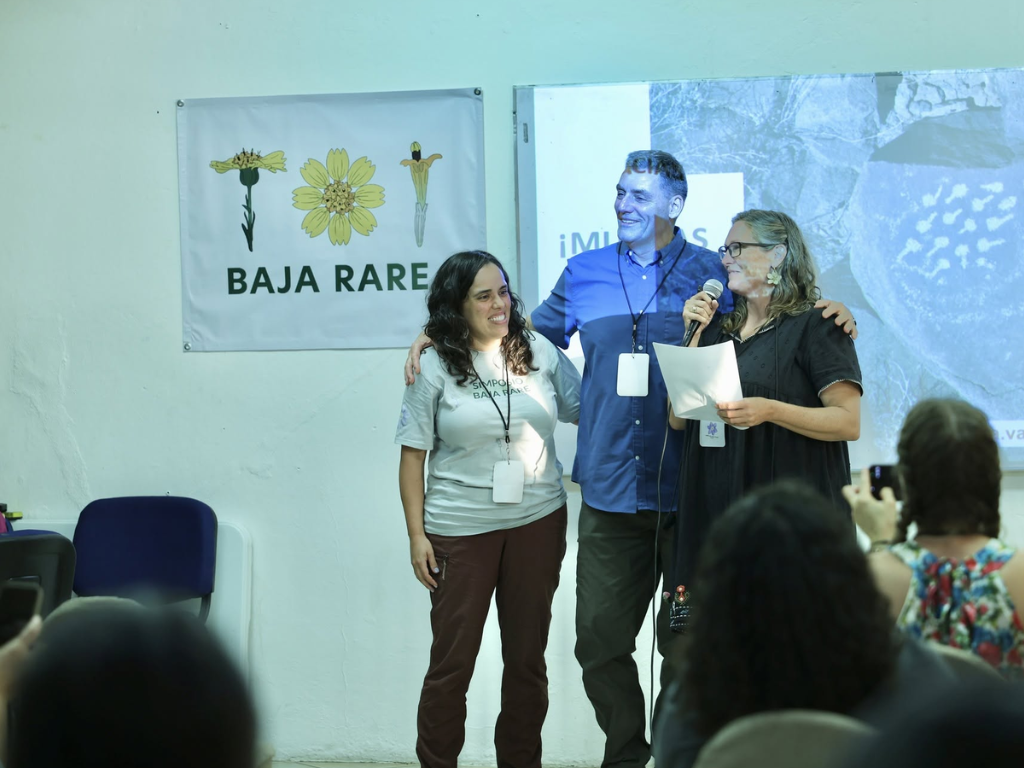
These studies also emphasized the role of community science, the training of young botanists, and community participation in generating knowledge that supports plant biodiversity conservation.
Pitayas and Their Ecological and Cultural Importance
The relationship between plants and communities was another important theme of the symposium, particularly through research on pitayas, emblematic cacti of the Baja California Peninsula.
The research explored how different cultural groups in Baja California Sur have interacted with these plants over time, recognizing their importance not only within natural ecosystems but also in the region’s history and traditions.
This perspective brought scientific knowledge together with the cultural dimensions of biodiversity, highlighting how conservation also involves understanding the connections between communities and their natural environment.
Art, Education, and Nature Observation
The symposium program also included educational opportunities connecting science with other ways of exploring and understanding biodiversity.
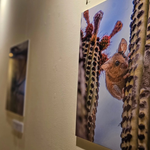
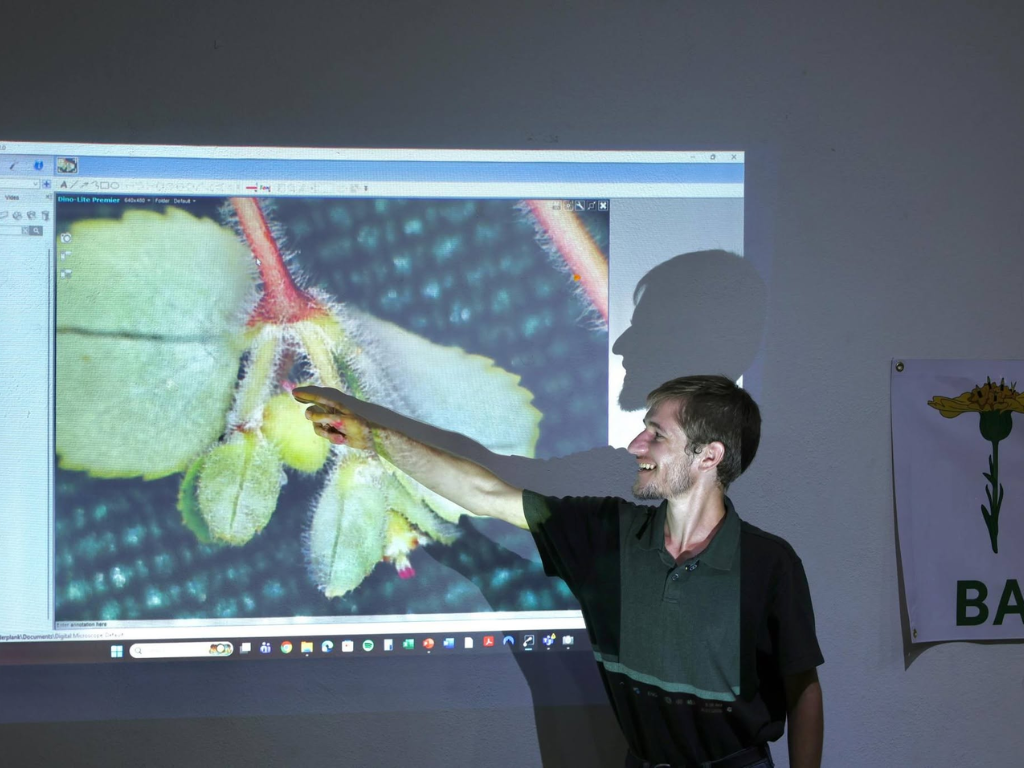
Among them was the workshop “At Petal Level: Macro Photography, Art, and Science,” designed to explore Loreto’s flora from a different perspective using accessible tools such as smartphones.
The workshop combined basic macro photography techniques, close observation of natural elements, and scientific exploration, encouraging curiosity about the details, shapes, and characteristics of plants that often go unnoticed.
Knowledge and Collaboration to Conserve Baja California’s Flora
The Baja Rare 2026 Symposium emphasized the importance of generating and sharing knowledge about the botanical richness of the Californias while strengthening connections among those involved in its research and conservation.
From the study of rare and emblematic plants to the exploration of their ecological and cultural relationships, the topics presented reflected the diverse perspectives needed to understand and protect the region’s ecosystems.

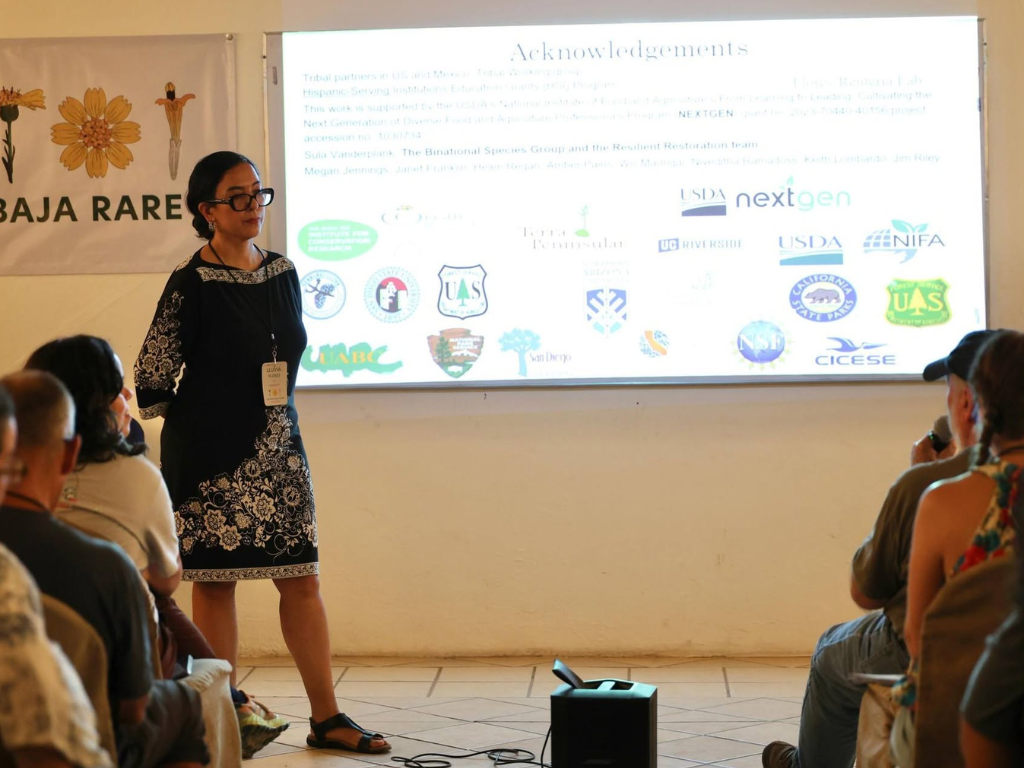
Learning about our native flora also means recognizing the value of the biodiversity around us and the importance of conserving it for future generations.